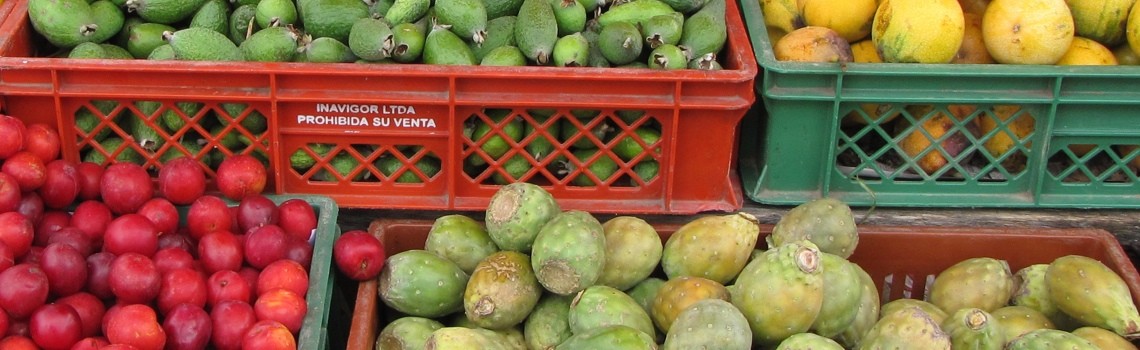
If I had just ten seconds to share advice on improving your nutrition, this is what I would say: Eat more fruits and vegetables. And I don’t think that would surprise anyone. We all know these are nutritional powerhouses, and we all know that it’s a good idea to eat more of them, especially since most of us probably don’t eat enough produce to begin with. Continue reading
Category Archives: Marketing Strategies
The Problem with Girl Scout Cookies
In one memorable scene from the movie The Addams Family, young Wednesday Addams asks the uniformed adolescent who rings the bell at her front door if the cookies she is selling are made with real Girl Scouts. Well, yes, Wednesday, I would say that yes, in a way they are. Continue reading
When it’s Not Really Fruit or Vegetables
If I had just ten seconds to share nutrition advice, I know exactly what I would say: Eat more fruits and vegetables. And I don’t think that would surprise anyone. We all know that fruits and vegetables are nutritional powerhouses, rich in not only fiber but also phytonutrients, and everyone knows it’s a good idea to eat more of them. Especially since most of us don’t eat enough produce to begin with.
Now, the brand managers in the food industry know that we know we should eat more fruits and vegetables. This is why there are so many processed food items containing fruit-related words, or some version of the actual word “fruit.” Vegetables, too, to a lesser extent. Like vegetable oil. And which “vegetable” would that be, please? Continue reading
The Art of Deception: More Ways the Food Industry is Influencing Your Purchases
Did you know that there’s a massive difference between “cereal” and “breakfast cereal?’ Cereal means grain, such as brown rice, bulgur wheat, oatmeal (not microwave-able), millet, amaranth, spelt. Breakfast cereal means Coco Krispies, Frosted Flakes, Life Cereal, Raisin Bran (one of the highest sugar breakfast cereals on the market). Cheerios and Kashi, too, in case you were wondering. Cereal comes from the field; breakfast cereal comes from the factory. Continue reading
Nourish Your Heart and Soul with Real Food
Nowadays there’s a lot of talk about “real” food. What is “real” food? It’s food that has not been processed, refined, stripped, polished, fortified, enriched or otherwise modified. It’s basically fruit, vegetables, legumes, nuts, seeds, grains, fish, eggs, dairy products, and meats, like poultry, beef, and game, and including all the wonderful variations of these things that our brains are capable of inventing. If it’s not food, then it’s manufactured calories. This post is designed to help you figure out how to tell the difference. Continue reading
Don’t Spike Your Blood Sugar!
Imagine a diabetic character on TV who suddenly begins to act a little strangely, but is not too confused to murmur, “I think my blood sugar is too low.” Everyone on screen runs for something sugary that the character will absorb quickly. Orange juice, or maybe Coke. Sweet drinks like juices and sodas, with up to 12 (!) teaspoons of sugar per can, are great for spiking your blood sugar. None for me, thanks. Continue reading
Nutrition or Entertainment?
A friend of mine says that ultraprocessed items don’t nourish, but rather they entertain. A few weeks ago I saw a commercial for Lay’s Potato Chips whose tag line was “Good food for the fun of it.” That sure sounds like entertainment to me.
The Commodity Compromise
In life, one always has to choose between quantity and quality. If your goal is to obtain an item of the highest possible quality, then it doesn’t matter how much you get. Take, for example, a sample of uranium. When it’s quality you’re after, it doesn’t matter whether you end up with a microgram or a kilogram. The issue of its purity is not negotiable, so the amount is secondary.
But when it’s quantity you seek, it doesn’t matter whether the end result is purity or perfidy, perfect or problematic. Continue reading
Fake Fruit Food
A few months ago I wrote about the “high margin-to-cost” breakfast cereal business. I have a few more thoughts, this time not specifically about the product itself, but about the pervasive use of fruity words in the naming of those breakfast cereals. Continue reading
Breakfast Candy
Let’s talk about breakfast cereals, shall we? Developed by a couple of enterprising health spa owners from Battle Creek, Michigan, they originally provided an economical use for the crumbs that fell to the bottom of the bread ovens. The word “cereal,” which simply means grain, comes from Ceres, the Roman goddess of agriculture. Breakfast cereal? That’s a marketing term. Continue reading