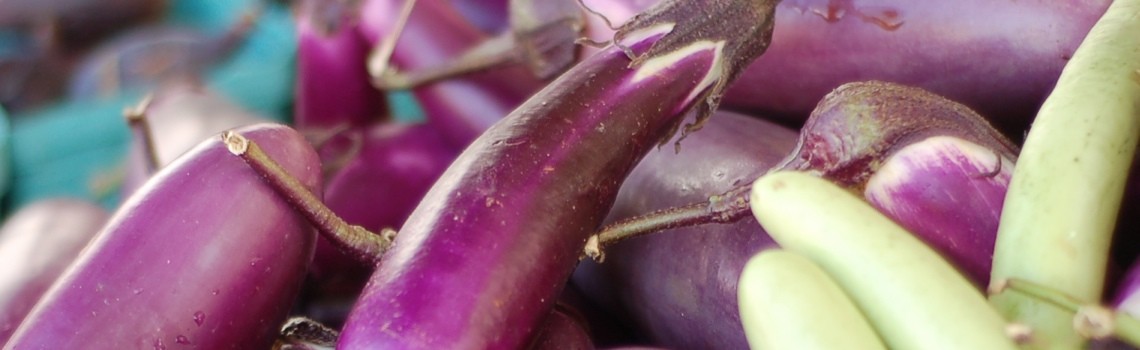
Preparing for the holidays with my mom was a major highlight of my childhood. Like many other special dishes that we ate on dedicated holidays throughout the calendar, we made tsimmes twice a year, in the fall for Rosh Hashanah (it is traditional to eat sweet foods on Rosh Hashanah), and in the spring for Passover. My mom never used recipes, preferring to combine ingredients as her grandmother and mother-in-law did, but, truthfully, tsimmes is one of those dishes that probably doesn’t really need much of a recipe anyway. Continue reading
Category Archives: Color
Fun is Fine, It’s Just Not Food
There is a very big difference between nutrition and entertainment. Food is nourishing. It’s what goes into our mouths when we choose stuff that’s loaded with fiber and color, like vegetables and beans, nuts, fruits, seeds, and whole grains. Fun, on the other hand, is nothing like food. Fun (which often goes by interesting names like “junk food” or “fast food” or “processed food”) is made with products like white flour, white rice, corn syrup, corn starch, commodity oils (soy, corn, cottonseed) and, of course, sugar, which you tend to find in items that are ultraprocessed. Food nourishes you. Fun entertains you. Sometimes you feel like a little entertainment. That’s fine. Go ahead and enjoy. But it doesn’t go in the plus category. It’s just for fun. Continue reading
Complementary Colors: Nourishing Yourself from the Inside Out (with recipe)
One thing you may not know about me is that one of my casual hobbies is interior decorating. I’ve picked out paint colors for my friends, rearranged their furniture, and weighed in on frame choices, picture positioning, and all kinds of related activities. Have you ever heard of decorating with complementary colors? Have you ever even heard of complementary colors? It’s when you choose two colors from opposite sides of the color wheel, like purple and yellow, orange and blue, or red and green. They usually clash just a little bit, which confers added visual interest. Here are some examples: A pink pillow that makes a pale green couch really SING! Or a wrapped bunch of lavender stalks in a pale yellow vase on a lemon-yellow tablecloth strewn with tiny purple violets. Or a ceramic bowl painted in stripes of turquoise and orange. And that brings me to sweet potatoes and kale. Continue reading
YOUR HEALTHY PLATE: Butternut Mulligatawny Soup
No matter what anyone says, spring is not around the corner. More like it’s around a blind curve. It’s 19 degrees, and as cold as winter gets. I can’t even contemplate eating cold food. This soup, with a blend of warm and aromatic spices, should work pretty nicely to warm you up from the inside out.
YOUR HEALTHY PLATE: Lemon Asparagus
A really delicious recipe from my friend, Stacia, this is one of those dishes that is way more than the sum of its very simple parts. What you need to know is that the key to making this recipe go from great to unbelievable is to dress the asparagus stalks while they are still steaming hot so the lemon juice and olive oil get very well absorbed. Then, the chilling step makes the flavors so incredibly bright that they practically SING in your mouth! Continue reading
YOUR HEALTHY PLATE: Autumn Sunrise Carrot Soup
These past two weeks my CSA boxes contained some very large bags of carrots, and so I decided to put them to good use before the first bag began to go bad. Because time is often of the essence in my world (and probably yours, too), I decided to do all the prep and cooking in advance so I could finish up the final steps quickly on Friday after I got home from work. It worked great, and the color of the final product reminded me of sunrise — warm, inviting, and full of hope. Continue reading
YOUR HEALTHY PLATE: Summer’s Caramelized Corn Salad
This beautiful and elegant recipe, with its mix of so many different colors and flavors, will certainly make your tastebuds sing! The sweetness from the pepper, sour from the lime, heat from the Sriracha, brightness from the parsley, all come together to form an absolute culinary orchestra. And sauteing the corn in olive oil? Well that’s what gives it that little bit of sweetly caramelized late summer magic. Enjoy! Continue reading
The Box-of-Real-Food Diet
I write Your Health is On Your Plate because there are a couple of things that I want everyone to really understand. First, I want you to understand that there’s a big difference between real food and manufactured calories. A huge difference, really. Real food nourishes; manufactured calories entertain (at best). Manufactured calories also cause a lot of very serious medical problems. Like diabetes and obesity, for starters. And strokes and heart attacks. Continue reading
Colorful Vegetables
We’ve been eating more and more produce at our house: Yesterday at lunch we had broccoli/cauliflower soup, a tossed green salad, a tomato salad, sour pickles, guacamole, baked apples stuffed with dried figs and shredded coconut. There was also homemade bread and local butter, and a cheese tray with chevre, cheddar and blue cheese. Most of the credit goes to my husband; he baked the bread and thought up the baked apples. Can you hear me cheering?
Even though the meal did not exactly have a theme (like Thai, or Mexican, or even Chesapeake), it did have a lot going for it. I’m talking about vegetables. And color. It had red, green (light, medium, and dark), white, yellow, brown, orange and blue (of sorts). That’s a lot of colors for one meal. And, as my mom taught me, the more colors at a meal, the better.
Colors are indicative of different kinds of nutrients, and so the greater the variety, the more likely you are to get what you need. Also, the deeper the color, the more nutrition. That’s why you keep hearing so much about including dark greens (kale, chard), rich oranges (sweet potatoes) and purple/reds (like beets) in your meals.
We’re not the only ones who benefit from eating vegetables. Especially at this time of year, when there is no grass to be found, I make an effort to toss substandard lettuce leaves, pits and shells with bits of avocado still clinging, carrot ends, and anything else I can think of, into the chicken coop. Yesterday I gave the chickens a piece of aloe that I pruned from a plant in the kitchen. We’ll see what they think of that — if they didn’t care for it, I will find it still on the ground when I go out to check on them this morning.
A story on the joys of vegetables would not be complete without a couple of great recipes. Here are some especially colorful ones from Cleveland’s noted Kosher cook and author, Joan Kekst, who was kind enough to submit these recently, along with a beautiful story that you should look for soon on these pages. Apologies for deleting 1/2 t sugar from the ingredient lists of these recipes — you can certainly add it back if you’d like, but I have a feeling that they will be sufficiently delicious without it!
BROCCOLI SLAW
1 lb. shredded broccoli stems, julienne (can be purchased in some supermarkets)
2 large carrots, julienne
2 red onions, julienne (approx. 2 cups)
1 cup kalamata olives, pitted
Juice of 1 lemon
2-4 T olive oil
2 T fresh lemon thyme leaves
2 T flat leaf parsley, chopped
Combine broccoli, carrots, onions and olives in a mixing bowl. Toss with lemon juice and olive oil. Season to taste with pinches of salt and freshly ground black pepper. Add thyme. Allow to blend for 30 min, stir occasionally. Serve at room temperature or chilled, garnish with parsley leaves. Serves 8. Keeps well for 5 days.
COLORFUL VEGETABLE SLAW
1 lb. Chinese or green cabbage, cored
1 large carrot, peeled
1/4 lb. snow peas
1 red bell pepper, seeded
1 yellow bell pepper, seeded
1 green bell pepper, seeded
12 green beans
1 small red onion
2 ears fresh sweet corn, shucked
1/4 cup cider vinegar
1 T olive oil
1 pinch celery seed
Shred cabbage as thinly as possibly. With a vegetable peeler, shred carrots thinly to make curls. Use remaining carrot scraps elsewhere. Julienne pea pods, peppers, green beans and onion. Remove corn kernels from the cob.
Combine all vegetables in large mixing bowl and flavor with vinegar, celery seed, oil, salt and pepper to taste. Allow to blend for 20-30 min. [NOTE: Use shredded zucchini or yellow summer squash, if desired.] Keeps 3 days.
TOMATO BASIL SOUP
1 T olive oil
1 large carrot
1 large celery stalk
1 large leek, white only
1 large garlic clove, cracked
2 lb. plum tomatoes, peeled, seeded and chopped
4 cups water or vegetable stock
1 T tomato paste
1 bay leaf
6 to 8 fresh basil leaves, more to garnish
Several sprigs of thyme
salt and pepper to taste
1/2 cup sour cream [optional]
In a non-corrosive pan, heat the oil and cook the carrot, celery, leek and garlic until softened, 5–7 min. Add remaining ingredients and simmer for 20-25 min. Cool and discard the bay leaf and thyme sprigs.
Puree soup in batches, strain into a pitcher or bowl, and chill. Adjust salt and pepper. Stir in sour cream just before serving, and do not reheat once sour cream is added. Serve warm or cold, in goblets or mugs. Garnish with fresh basil leaves. Makes 6 C. Keeps 3 days chilled.
Bon appetit!