YOUR HEALTHY PLATE: Incredibly Delicious Almond Butter-Ginger Sauce

It is my pleasure to share this incredibly delicious sauce adapted from fellow Cleveland blogger, Healthy Girls Kitchen. You know, you can make a nice brown rice bowl with steamed vegetables and cubes of tofu or chicken, and then sprinkled with a little sea salt.  Or you can turn it from great to unforgettable with this unbelievable sauce. The sauce is also great on salad. Or straight from a spoon if you’re desperate.

  • 1/3 cup pitted dates
  • 1/2 cup almond butter
  • 3 Tbsp rice vinegar
  • 1 1/2″ piece of raw ginger, peeled and cut into chunks
  • 1 Tbsp tamari
  • 2 cloves garlic
  • 1/2 cup water

Put the dates in a shallow bowl, cover them with warm water, and allow to soak for 10-30 minutes. Then put all the ingredients, including the date liquid, into a blender or food processor and liquefy. If necessary, add more water by the teaspoonful to thin the sauce to the desired consistency.

This sauce is just incredible. It’s sweet, it’s salty, it’s sour, it’s spicy, it’s umami, it’s everything.


YOUR HEALTHY PLATE: Shelli’s Avocado Soup

This soup is an inspiration. It was invented by a co-worker who was generous enough to share it with YHIOYP.  It is most unusual, and we are very lucky to have the recipe.
 
  • 2 medium-large avocados (peeled) 
  • 2 cups almond milk
  • juice of one-half lemon
Using a high-speed blender, blend together the avocados, almond milk, and lemon juice until smooth.  Pour into a large soup pot and set aside. 
  • 1 cup chopped rainbow carrots
  • 1/4 cup onion, chopped
  • 1-3/4 cup water
In a separate, medium-sized saucepan, boil the chopped carrots and onion for approx 10 min in the water. 
  • 2 medium tomatoes
  • 1 handful fresh parsley
  • 1/2 teaspoon each salt, pepper, and garlic powder.
Now add the tomatoes, parsley, salt, pepper, and garlic powder to the saucepan and continue cooking approx 10 more min. When the carrots are just beginning to soften, transfer the contents of the medium-sized pan into the large soup pot and stir well. 
You could eat this soup right away, while it is still warm. It will be good. But if you can wait, then chill it overnight and serve it cold the next day. As a cold soup, this is really spectacular.

YOUR HEALTHY PLATE: Peanut Butter & Jelly Smoothie

I found an amazingly unusual recipe on the Blendtec website last week.  I would never have thought of a peanut butter and jelly smoothie.  It would make a great snack, a great breakfast, a great treat, and even a great dessert.

Add to your blender in the following order:

  • 1 cup almond milk
  • 1 /2 a frozen banana
  • 1 tablespoon peanut butter
  • 1 tablespoon strawberry preserves
  • 3 strawberries

Add a few ice cubes for more freeze if you choose.

Tell me this isn’t awesome!


Magical Mung Beans

A couple of years ago, while standing on line in a grocery store, I saw the man in front of me place a huge sack of dried mung beans on the belt. The thick, white bean sprouts seen on salads in restaurants, salad bars, and so on are grown from mung beans.

I had never before seen so many mung beans in one place. You can make a big jarful with 2 tablespoons. “What are you going to do with all those mung beans?” I asked. He said he had seven kids. Oh.

The cost of nutritious food is an ongoing concern, and here is a great solution. You can cook little green mung beans like any other bean, in a pot of hot water or in a crockpot all day long with vegetables. You can mash them up a bit and pour them over grains, including brown rice, or roasted vegetables, like spaghetti squash. Or you can sprout them.

There are a few significant misconceptions about sprouting, and I’m about to dispel them. First, you don’t need a special expensive jar with a special, equally expensive lid. A few days ago I poured a couple of tablespoons of dry mung beans into a clear, medium-large glass jar. A recycled spaghetti sauce jar is perfect. You just want the jar to be clear so you can see the sprouting progress. Kids love this, by the way.

I filled the jar with water, and left it to sit on the kitchen counter all day (or all night if you prefer).

At the end of the day (or the next morning), I drained out the water through my fingers, filled it with fresh water and emptied it out again a few times. Then I turned the jar on its side with the damp, swollen beans spread out along the bottom of the jar. I returned it to its spot on the kitchen counter. The primary consideration is to place it where it won’t roll off the counter. You could use a kitchen towel for this, but there are plenty of other options.

Also, you don’t need to sprout beans in the dark. They don’t know if it’s dark or not. The plant won’t care about light until it sprouts its first leaves, which will not happen before it sprouts. Over the years, before I had this realization, I found many jars of moldy sprouts in the cabinet days to weeks after I had carefully placed them there. No more. I never forget now, because the jars are right in front of me, on the kitchen counter.

Next step: Twice a day, morning and evening, I rinse the beans, drain them through my fingers, and replace them on the counter. If you forget one time, or even two, don’t worry. Just fill the beans with water again for a few hours to rehydrate them, and then keep going.

Within 2 days, I see tiny white tails beginning to emerge from some of the beans. You can eat them raw now if you’d like, while they are still mostly bean. Within 3 days, the tails are really growing, and in 4 days, they are a couple of inches long. Now they are mostly sprout, and the jar is filling quickly. You can eat them at any of these stages.

I like to sprinkle bean sprouts on salads of course, but I also like to consider the sprouts the main part of the salad and add a few other simple salad veggies, like tomatoes or cucumbers. A sprinkle of salt and a splash of olive oil, and you’re good to go.

By the way, you can make the salad right inside the glass jar you used to sprout your mung beans, wrap it up, and take it to work for lunch. The sprouts won’t wilt like lettuce does. Cheap, delicious, nutritious, and filling. What more can you ask?


YOUR HEALTHY PLATE: Mushroom Pâté

Simple, yet elegant.  

  • 4 hard boiled eggs
  • 2 large onions, chopped 
  • 1 cup walnuts, toasted
  • 8-12 oz mushrooms 
  • 1 /2 tsp salt 
  • 1 /4 tsp ground pepper

Saute the onions in 2 Tbsp. olive oil until very, very soft and turning caramel in color. Rinse the mushrooms well, and add all ingredients to a food processor.


Pulse the mixture in the food processor several times until very well mixed but not pulverized. Serve on individual salad plates as follows: Scoop a couple of heaping tablespoonfuls of the mixture onto a large green lettuce leaf with a few whole-grain crackers on the side. And maybe a grape tomato or two, if you have. Looks fancy, tastes scrumptious.


Carrots and Sticks: Setting a Realistic Goal

In his book Carrots and Sticks: Unlock the Power of Incentives to Get Things Done, Ian Ayres, a contracts professor at Yale Law School, writes about an interesting insight that he had regarding his own weight loss efforts. After numerous but only temporarily successful efforts, he finally had a realization. He knew, unfortunately, how to eat in a way that kept his weight around 210 or so (I can’t remember the exact number). He also knew how to eat in a way that brought his weight down to around 170 (or so), although he couldn’t sustain it for more than a few months. But he didn’t know how to eat for 190 pounds.

And so, he was doomed to see-saw back and forth until he finally figured that out. And it wasn’t until he learned this that he was finally able to sustain his new reduced weight. Although it wasn’t exactly the goal weight he had originally set, it was, on the other hand, permanent.

The research has shown, over and over, that most dieters are capable of sustaining a weight loss of no more than 10% over the course of a year. This is true across all kinds of programs, no matter how well known.

I believe that we will someday understand a biochemical basis for this. The question that I continue to ask myself is whether a person can spend sufficient time at their “compromise position” weight to establish it as a new baseline weight from which it might be possible to lose another 10% successfully and permanently.

Of course this approach requires a fair amount of patience and perseverance, both of which tend to be in short supply in people who want to lose weight. I still believe there is a neurochemical underpinning to this, which is why I counsel people not to focus on their weight.

Instead of weight, I focus on just two things. The first is to concentrate as much as possible on productive choices and not to sweat it if you’re successful only 50% or 75% or 90% of the time, let’s say. I’d rather have people identify the single least healthful activity in which they engage, and then work to decrease the number of ounces of soda or chips they eat on a daily, or weekly, basis. I encourage them to see where things stand in a few weeks or months. Their very best has got to be better than their current eating pattern, and it’s essential to remember that 100% is neither necessary nor practical.

Secondly, for people who like having something to measure, I recommend getting a tape measure instead of a scale. If you want to see how you’re progressing, check your waistline. To me that’s a much more valuable measurement. I really don’t care how much people weigh; I want to know how their pants fit.

As pants continue to fit better and better, weight begins to fall. When that happens I have seen the rest take care of itself. It may translate into “only” a 10% weight loss, but it will be real and permanent.


YOUR HEALTHY PLATE: Lemon Coconut Macaroons

I don’t post too many desserts on the blog, not least because I’m always trying to think of strategies for decreasing, and not increasing, the amount of sugar in what we eat. But it’s a special occasion! And the almond flour and coconut have the benefit of decreasing the rate of absorption of the sugar in this recipe. But enough of that. I have always loved Passover. One of these days, after you make your own macaroons for the first time, you will NEVER — and I mean NEVER — again buy a can of those tasteless cardboard macaroons.

  • 3/4 cup almond flour
  • 1 1/2 cup dried, shredded unsweetened coconut
  • 1/4 cup plus 1-2 tablespoons honey
  • 1/4 cup coconut oil, gently melted
  • 35 drops organic, food-grade lemon essential oil
  • Pinch of sea salt

Line a baking sheet with parchment paper, and set oven to 200 F.

Combine almond flour, coconut, salt, honey, coconut oil, and lemon oil, and mix well. Form the macaroons by gently pressing the dough into a tablespoon, and then tapping the raw macaroon dough out of the upside-down spoon into your hand. Place each macaroon on the baking sheet.

Bake 45-50 min, and then allow to sit for 15-20 min. The outsides will be slightly dry and the insides will be soft and chewy. Makes about 18.

Thank you to www.mommypotamus.com for this recipe.


YOUR HEALTHY PLATE: Roasted Beet Salad with Arugula

Arugula is quite possibly my favorite food.  For sure it’s my favorite green food.  I can’t get enough, and I can’t wait for it to start to grow in the garden.  Also, I love beets, so this salad was a natural for me. Nutrition-wise, this dish truly has everything. The dressing is absolutely scrumptious.  Here’s the recipe for you to think about tonight while it’s snowing outside (again) in Cleveland on the first day of spring.

  • 3 large beets
  • 1/4 cup balsamic vinegar
  • 1/2 cup water
  • 1/2 cup walnuts, divided
  • 1/4 cup raisins
  • 1 teaspoon Dijon mustard
  • 1 clove garlic
  • 1/4 teaspoon dried thyme
  • 1 cup cooked chickpeas
  • 1 /2 lb. arugula

Peel scrubbed beets, cut into 1-inch chunks, and roast at 400F in 1 t. olive oil for approx. 30 min.  You can do this the day before if you want.

Process the balsamic vinegar, water, 1/4 cup walnuts, raisins, mustard, garlic and thyme in a high-powered blender until smooth.

In a large bowl, combine roasted beets, chickpeas, arugula and about 3/4 cup of dressing, or more. Sprinkle with the remaining 1/4 cup walnuts.


The Best Vegetables in the World

I’m planning a presentation on nutraceuticals and supplements in the coming weeks, so I’ve got vitamins on my mind. Also minerals (calcium, iron), phytonutrients (colorful pigments), and other kinds of products (kelp, cinnamon, omega-3 fatty acids). In gathering together the information on sources of various vitamins, I have been struck by how many of the vitamins list fruits and vegetables as a rich and important source, particularly green leafy vegetables.


I make a strong case for getting most of our vitamins in the food we eat, just so you know. But not everyone gets all they need from their food, and that goes double — at least — for people eating the standard American diet.

Vitamin A is found especially in orange foods like carrots, sweet potatoes, apricots, mangoes, and papayas, as well as in green, leafy vegetables. Whereas the type of Vitamin A in many supplements can be toxic, the Vitamin A in these orange fruits and vegetables will never be toxic. That’s because foods provide not pre-formed Vitamin A but, rather, beta-carotene, which is converted to Vitamin A by our livers only in amounts we need at that moment.

Why green, leafy vegetables? Because they, too, contain large amounts of the orange, beta-carotene pigments; they are simply hidden by the dark green pigments. In my college organic chemistry class, using a technique called chromatography, we reproduced our own version of a famous experiment in which we mashed up spinach with a mortar and pestle, and then extracted the various pigments. Yes, the orange pigment was in there; I saw it with my own eyes.


Folate (vitamin B9) is another one. Think of the word FOLiage to get a sense of the strength of the connection between green leaves and FOLate. 


Vitamin C, a vital substance for our skin, our gums, and all our connective tissues, is found in large amounts in green leafy vegetables and all the citrus fruits. Vitamin E protects the skin from ultraviolet rays and prevents cell damage from free radicals. Vitamin K makes a critical contribution to maintaining a healthy circulatory system, particularly blood coagulation. 


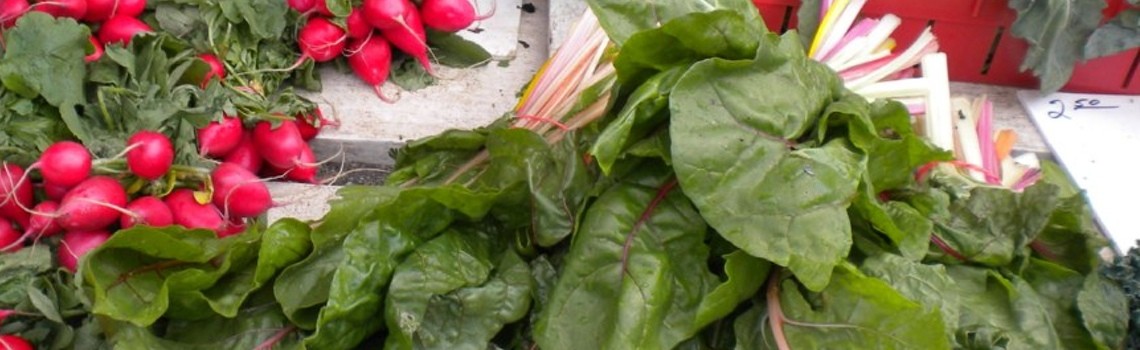
My colleague Dr. Caldwell Esselstyn includes in his presentation a long, impressive, and memorized(!) list of greens that includes spinach, kale, romaine lettuce, red- and green-leaf lettuce, mustard greens, collards, arugula (also called rocket), broccoli, turnip greens, cabbage, Bok choy, Swiss chard, chicory, dandelion greens, and more. I enjoy hearing him go through the list rapid-fire.

Take your pick. It’s like taking a vitamin, but way better.


YOUR HEALTHY PLATE: Roasted Onion Hummus

I’m always looking for new and interesting ways to eat hummus, also known as garbanzo beans or chickpeas. Here’s a great onion version. Really good. You can serve it as an appetizer at a party in a big, scooped out, sweet Vidalia onion sitting in a bed of greens. You can try making Red Pepper Hummus, too. Same idea, just with red peppers. This is a wonderful version for people who are allergic to sesame seeds, which (as tahini, or sesame paste) are in virtually all the commercial brands.


1 large onion, sliced thickly

1/4 teaspoon olive oil

1/4 teaspoon salt

2 cups cooked chickpeas, rinsed and drained

1/2 cup sunflower seeds

4 tablespoons lemon juice

1 clove garlic

2 tablespoons olive oil

3 tablespoons parsley

2 tablespoons water


1. Mix onion slices into olive oil until well coated, sprinkle with salt. 

2. Grill 7-10 min; flip to other side for approx 5 min more, until onions begin to soften and caramelize.

3. Combine chickpeas, sunflower seeds, lemon juice, garlic, olive oil, parsley, salt, pepper, and 1 tbsp water in food processor or high-speed blender and puree until smooth. 

4. Add grilled onions and process again until smooth. Add a bit more water if necessary to get the right texture.

Happily adapted from Let Them Eat Vegan by Dreena Burton.