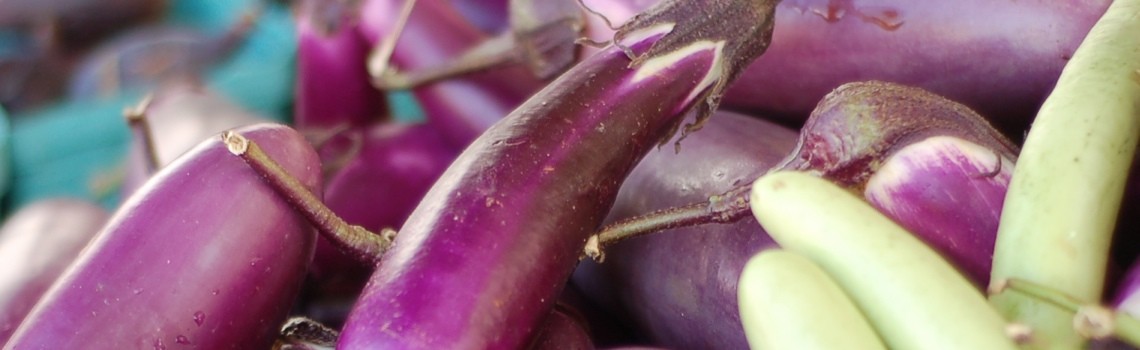
This soup is perfect for all the cold days and nights ahead, and it cooks up beautifully in a crock pot. If you throw together all the ingredients in the morning, the house will smell heavenly all day, and the soup will be ready to eat come dinnertime. If, on the other hand, evening works better for prepping the ingredients, the house will smell heavenly through the night and when you awaken, and the soup will be ready at lunchtime. For the record, it will also keep ’til dinnertime. Continue reading
We are Family: A Blessing on Their Heads
Today is a very special day for our family. Today our nephew will marry his beloved, and she happens to be the daughter of old friends of ours. His parents are thrilled, and hers the same. For us, this remarkable and happy coincidence is nothing short of miraculous. So I share this post in honor of the marriage of our nephew, our new niece, and the new home they will create together. Today I want to share — from a medical standpoint — just a few of a great many things I have learned about friends, family, and the magic effects of kindness, love, and support. Continue reading
YOUR HEALTHY PLATE: ButterNutmeg Squash Soup
A long time ago, Chef Ira (my dad) came to visit and brought with him a large bag of ginger. This wonderful recipe is what I decided to make with that ginger. The color of autumn, this recipe is made with butternut squash and nutmeg, which is why I call it “butternutmeg” squash soup. Continue reading
Retronyms, or What’s So Wild About Salmon?
Have you ever thought about why we call potatoes “organic”? What makes oats “old-fashioned”?, cereal “whole-grain”?, flour “whole-wheat”?, or strawberries “pesticide-free”? And what about “wild salmon,” “free-range chicken,” “pastured lamb,” or “hormone-free milk”? Continue reading
The Season of our Joy
A brief post on the birth of a new grandchild. It is the season of our joy, and we are indeed celebrating. This note of gratitude is intended specifically for you, dear readers. Continue reading
Fall at its Finest
This is the time of year when the pomegranates ripen and come to market. While I was growing up, my mom always put pomegranates on the grocery list at this time of year, and we children eagerly volunteered to unpack them when she arrived home. That night, after the dinner dishes were cleared, we would each take a seat at the circular kitchen table. My mom made a ceremony of opening a single perfect pomegranate to reveal its layers of shiny, shimmering red rubies. She separated the pomegranate into sections, saved one for herself, and then distributed the rest among the children. Together, we shared the pomegranate, appreciating the fruits of our table, eating up all the seeds, and counting our blessings. Continue reading
YOUR HEALTHY PLATE: Spicy Roasted Cabbage
This is the story of a recipe that begins with the simplest, most humble of vegetables, a single whole cabbage. Cabbages tend to be underrated when in fact they are quite remarkable. They remind me of chameleons, with the ability to camouflage themselves in all kinds of surroundings. Fermented pickled sauerkraut, sweet acidic cole slaw, toothy grilled cabbage “steaks,” comforting colcannon (potatoes & cabbage), fried with eggs, braised, roasted. I think I’ll stop here. Continue reading
Michael Pollan Knows What He’s Talking About
From time to time, when my journey into the mysteries of disease prevention was just beginning, I would discover someone whose work really spoke to me, who helped to clarify the things I was beginning to see, and who became a sort of personal mentor to me as I continued on the path. One of these people was Michael Pollan, who was catapulted to fame with his insightful and riveting books, especially The Omnivore’s Dilemma and In Defense of Food. He shared that Carlos Monteiro, a professor of nutrition at the University of São Paulo, was the first to label and define ultra-processed items. He said that whereas processed food could be made at home, ultra-processed items contained ingredients no normal person has at home, and required equipment you would find only in a factory. Touché. Continue reading
YOUR HEALTHY PLATE: Sweet New Year Soup
Next week we will celebrate Rosh Hashanah, the Jewish new year. Traditionally, Rosh Hashanah foods tend toward the sweet and the circular: sweet for a sweet new year, and circular to represent the seasons that run one into the next, year after year, around and around. At this time of year, we even twist our challahs (egg bread) into rounds instead of the characteristic braided loaf we eat all year long.
We eat lots of fruits, especially apples, prunes, pomegranates, dates and apricots. Chosen vegetables might include sweet potatoes, beets, carrots, and leeks (sliced into rounds of course). Dishes made with black-eyed peas and lentils are a frequent addition to the table. And there is always lots and lots of honey, especially for dipping bread and apple slices. Continue reading
YOUR HEALTHY PLATE: A Taste of Fall — Sweet Potatoes, Sage, & Rice
More than any other time of year, I have always loved the summer’s end and early fall most of all. I love the chill in the air on late August and early September evenings, the feel of cozy scarves for the first time in months, the smells and sounds of soups and stews bubbling away on the stove. I never get tired of sweet potatoes, and I continue to love experimenting with new recipes for all kinds of squash, like butternut, delicata, acorn, and hubbard, not to mention pumpkins and spaghetti squash. The ingredients in this recipe hit all the right aromatic flavor spots, and I hope you get a chance to try it soon. Continue reading